Selecting the right ELV Company in Dubai is one of the most crucial decisions for any commercial project—whether it is an office building, hotel, school, retail outlet, warehouse, or industrial facility. Today’s businesses rely heavily on advanced ELV and Security System in Dubai to operate safely, efficiently, and compliantly. An improperly selected service provider can lead to delays, system failures, non-compliance penalties, and long-term maintenance challenges.
This is why choosing a reliable partner like VAS Technologies, a trusted name in the UAE market, ensures that your ELV infrastructure is future-ready and aligned with the latest technology standards.
Understanding ELV Solutions in Modern Commercial Projects
Extra Low Voltage (ELV) systems include CCTV, access control, structured cabling, public address systems, audiovisual solutions, SMATV, gate barriers, and all low-voltage technologies that support business operations. An experienced ELV company in Dubai ensures that all these systems work together seamlessly.
Since Dubai follows strict regulations for security and safety, your ELV provider must understand compliance standards, especially for surveillance and access control systems.
Why Choosing the Right ELV Partner Matters
A professional ELV contractor directly impacts your project timeline, safety standards, integration quality, and long-term operational efficiency. Selecting the Best ELV Company in Dubai ensures:
- Systems are installed correctly the first time
- Compliance with Dubai Municipality, SIRA, and Civil Defense standards
- Smooth communication infrastructure
- High-quality materials and long-lasting solutions
- Hassle-free maintenance and post-project support
This is why experienced companies like VAS Technologies are preferred for commercial projects across Dubai.
Evaluate the Company’s Experience in ELV and Security Systems
When choosing an ELV partner, start by checking their industry experience. A company that handles complex ELV and Security System in Dubai projects understands coordination between different building contractors, timelines, and regulatory processes.
VAS Technologies has years of technical experience delivering ELV solutions for retail spaces, corporate offices, hotels, educational institutions, warehouses, and industrial facilities—making them a strong and dependable choice.
Check Compliance Knowledge and Certifications
Dubai requires ELV systems to comply with strict regulatory frameworks. A qualified ELV Company in Dubai must have proper certifications, strong vendor partnerships, and deep knowledge of SIRA-approved systems, fire alarm standards, and network cabling requirements.
VAS Technologies works strictly according to UAE standards, ensuring your project passes inspections smoothly and avoids regulatory issues.
Review the Company’s Technology Partnerships
Technology selection is a major factor in determining the success of your ELV project. The Best ELV Company in Dubai partners with global brands for CCTV, access control, networking, and unified communication.
VAS Technologies maintains partnerships with leading security and IT brands, ensuring you benefit from:
- High-quality hardware
- Latest software solutions
- Long-term product support
- Scalable and upgradable systems
This guarantees that your commercial project stays future-ready.
Evaluate Project Management and Delivery Capability
A reliable ELV company should be able to coordinate with MEP contractors, interior designers, civil contractors, and IT teams. Seamless coordination avoids delays and ensures all systems work together.
VAS Technologies follows strong project management methodologies, delivering structured wiring, CCTV, access control, and audiovisual setups on time without compromising quality.
Consider Post-Installation Support and Maintenance
Many businesses face issues because their ELV provider does not offer proper support. A trustworthy ELV Company in Dubai provides complete maintenance, system upgrades, troubleshooting, and annual service contracts.
VAS Technologies offers responsive after-sales support, ensuring your systems continue to perform efficiently long after the initial installation.
Analyze Cost vs Value
Cheapest is never the best—especially for ELV and security projects. Instead of focusing only on price, evaluate:
- Quality of materials
- Technology used
- Vendor expertise
- Warranty and support
- Compliance assurance
VAS Technologies delivers value-driven solutions that balance cost, functionality, and long-term performance, making them a preferred choice for commercial businesses
Why VAS Technologies is the Best Choice for Your Project
Businesses across Dubai trust VAS Technologies for delivering secure, scalable, and innovative ELV solutions. With extensive experience in implementing ELV and Security System in Dubai and a proven reputation for reliability, VAS Technologies stands out as the Best ELV Company in Dubai for commercial, corporate, and industrial facilities.
From design and installation to testing and maintenance, the team ensures that every project meets international standards and Dubai regulatory requirements.
Frequently Asked Questions (FAQs)
1. What is included in ELV solutions for a commercial project?
ELV solutions generally include CCTV systems, access control, structured cabling, intercom, PA systems, networking, gate barriers, SMATV, and audiovisual solutions required for smooth business operations.
2. Why is choosing the right ELV Company in Dubai important?
It ensures regulatory compliance, high-quality installation, seamless system integration, reliable performance, and long-term cost savings.
3. How do I know if an ELV Company is compliant in Dubai?
Check certifications, SIRA compliance, project portfolio, and their ability to follow Dubai Municipality and Civil Defense standards.
4. Why is VAS Technologies recommended for ELV projects?
VAS Technologies offers extensive experience, certified engineers, high-quality products, value-driven pricing, and strong after-sales support.
5. What factors should I evaluate when selecting the Best ELV Company in Dubai?
Experience, certifications, technology partnerships, project management capability, maintenance support, and overall value.
Build a safer, smarter, and compliant infrastructure with VAS Technologies. Email us at info@vas.ae or call +971-56-669-3611 for a free project assessment.
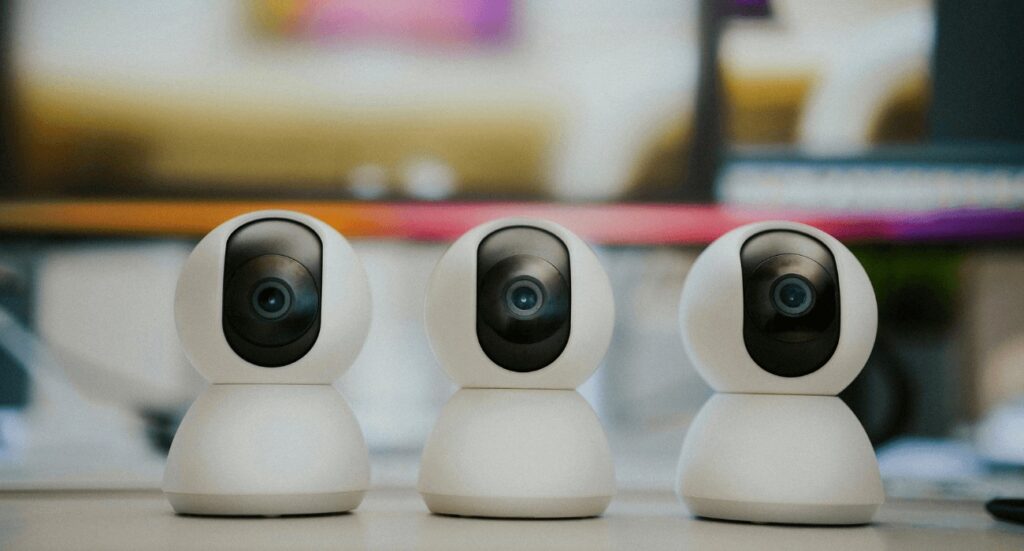
Selecting the right SIRA Approved CCTV Company in Dubai is one of the most important steps for any business that wants to operate safely, legally, and efficiently. Whether you manage a retail outlet, a corporate office, a warehouse, a construction site, a hotel, or an industrial facility, SIRA compliance is mandatory—without it, your business cannot complete inspections, obtain approvals, or operate its security systems legally.
The Security Industry Regulatory Agency (SIRA) plays a critical role in ensuring Dubai maintains world-class safety standards. Every CCTV system, access control solution, alarm setup, and security network must meet their precise regulations. To navigate these requirements smoothly, businesses rely on expert SIRA Support Services offered by experienced companies. Among these, VAS Technologies has emerged as a trusted and reliable partner for businesses across Dubai seeking seamless SIRA compliance.
Why Working with a SIRA Approved Company in Dubai Matters
The importance of choosing a credible SIRA Approved CCTV Company in Dubai cannot be overstated. SIRA does not simply check if cameras are installed—they evaluate design, placement, coverage, network structure, storage capacity, hardware specifications, and system integration. Even small mistakes can cause inspection failures, delays, and financial penalties.
A reliable SIRA partner ensures:
- A complete understanding of SIRA rules
- Compliance-ready system designs
- Smooth and successful inspections
- Quick approvals without rework
- High-quality security installations that last
- Proper documentation as required by SIRA
This level of expertise is essential for avoiding costly mistakes and ensuring your business moves forward without interruptions.
Growing Demand for SIRA Support Services in Dubai
With Dubai’s rapid commercial growth, the demand for SIRA Support Services has increased dramatically. New buildings, renovated facilities, and commercial expansions all require SIRA-compliant systems. This includes CCTV, access control, servers, cabling, NVRs, storage devices, and monitoring systems.
Businesses today want a partner who:
- Understands SIRA’s evolving guidelines
- Handles documentation and drawings
- Installs approved equipment
- Prepares for inspection
- Ensures final approval without delay
This is exactly why more companies are choosing VAS Technologies as their trusted SIRA compliance partner.
Key Qualities to Look for in a SIRA Approved CCTV Company in Dubai
1. Proven Expertise in SIRA Regulations
Your partner must understand SIRA requirements in detail. This includes coverage rules, camera types, placement guidelines, recording duration, storage calculation, and more.
VAS Technologies has extensive experience meeting these technical and regulatory standards, ensuring businesses receive the correct guidance from day one.
2. End-to-End SIRA Support Services
A reliable provider should offer complete compliance assistance—not partial services. This includes:
- Security system design
- Documentation preparation
- SIRA portal submission
- Technical drawings
- CCTV installation
- Device configuration
- Test & commissioning
- On-site inspection support
VAS Technologies handles all of these steps, making the process effortless for clients.
3. High-Quality, SIRA-Approved Equipment
Using low-quality devices can lead to failures in performance and rejection during inspection.
VAS Technologies uses only SIRA-approved, high-performance equipment that meets all technical criteria.
4. Strong Track Record and Client Trust
You should always choose a Sira Approved CCTV Company in Dubai that has a proven history of successful approvals.
VAS Technologies has built a strong reputation for delivering fast and error-free inspection results.
5. Clear Communication and Professional Support
A good SIRA partner should communicate clearly, explain requirements, and provide regular updates.
VAS Technologies offers transparent communication and complete support—before, during, and after the approval process.
Why VAS Technologies Is the Best Choice for SIRA Support Services
Companies across Dubai rely on VAS Technologies because of its expertise, commitment, and professional approach. Here’s what sets them apart:
- ✔ Complete SIRA Compliance Handling
- ✔ Certified Engineers & Trained Technicians
- ✔ Fast & Smooth Approval Process
- ✔ High-Grade ELV & Security Systems
- ✔ 100% Compliance Guarantee
How VAS Technologies Manages the SIRA Approval Process
1. Site Survey & Requirement Identification
Their engineers visit the site, identify coverage needs, and analyze SIRA requirements for your business type.
2. SIRA-Approved Design Preparation
A technical layout is created showing camera placement, cable routes, storage capacity, and system details—all SIRA compliant.
3. Professional Installation
All hardware is installed and configured based on SIRA specifications—no shortcuts or errors.
4. Documentation & Submission
VAS Technologies prepares all required documents, including:
- Layout drawings
- Device specifications
- Network diagrams
- Storage calculations
- Compliance forms
Everything is submitted correctly on the SIRA portal.
5. Inspection Coordination
Their team accompanies SIRA inspectors and supports you through the entire inspection, answering technical queries and demonstrating system operations.
6. Final Approval
Because everything is prepared accurately, approval is obtained smoothly—ensuring your business remains compliant and operational.
Why You Should Choose VAS Technologies
Choosing the right SIRA partner determines whether your business faces delays or moves forward smoothly. VAS Technologies offers unmatched knowledge, reliable service quality, and a full commitment to SIRA compliance—making them the preferred Sira Approved CCTV Company in Dubai.
If you want hassle-free approval, long-lasting installations, and total peace of mind, VAS Technologies is the right choice.
FAQs
1. What is the role of a Sira Approved Company in Dubai?
A Sira Approved Company in Dubai ensures that your security systems—especially CCTV—meet legal standards and pass SIRA inspections successfully.
2. Why do I need SIRA Support Services?
SIRA Support Services guide you through system design, installation, documentation, and inspection, reducing the risk of rejection or delays.
3. How does VAS Technologies help with SIRA approval?
VAS Technologies offers end-to-end support—from surveys and design to installation and inspection—ensuring smooth and fast SIRA approval.
4. What happens if my CCTV system doesn’t meet SIRA standards?
Your inspection may fail, causing delays, penalties, and the need for costly rework. Working with VAS Technologies prevents these issues.
5. How long does the SIRA approval process take?
With proper documentation and a compliant installation, approvals can be obtained quickly. VAS Technologies ensures minimal delays.
6. Do VAS Technologies use SIRA-approved equipment?
Yes. All equipment used by VAS Technologies meets SIRA standards for performance, reliability, and compliance.
Ready to secure your business? Email info@vas.ae or call +971-56-669-3611 to get your free consultation and competitive quote today.

Power of Computer Security Companies
In today’s digital age, our reliance on technology has become a double-edged sword. While it fuels innovation and progress, it also creates a vast and ever-evolving threat landscape. This is where computer security companies step in, acting as your digital guardians against cybercrime.
The Digital Threat Landscape: A Modern Challenge
Cyberattacks are no longer a distant threat; they’re a constant reality. Ransomware, phishing scams, and malware are just a few examples of the weapons in a cybercriminal’s arsenal. These attacks can inflict crippling financial losses on businesses and individuals alike. Just one high-profile data breach can cost millions of dollars and damage a company’s reputation for years to come.
The expanding attack surface further complicates matters. The rise of the Internet of Things (IoT) means an explosion of connected devices, each a potential entry point for attackers. Cloud computing, while offering convenience, introduces new vulnerabilities that require constant vigilance. As we rely more on online services, the potential consequences of a successful cyberattack become even more significant.
Why Every Business Needs a Computer Security Company
In this digital battlefield, every business needs a trusted ally. A computer security company is more than just a vendor; it’s a partner in safeguarding your most valuable assets. This includes sensitive customer data like financial records and personally identifiable information (PII). They also help prevent intellectual property theft, a critical concern for businesses with unique ideas or processes.
But security goes beyond protecting data. A strong cybersecurity posture is essential for ensuring business continuity. Computer security companies can help you minimize downtime from cyberattacks by implementing disaster recovery plans and building cyber resilience. This ensures your business can weather any storm and bounce back quickly.
Empowering your employees is another crucial aspect of cybersecurity. Human error can be a significant security risk. Computer security companies offer security awareness training programs that educate employees on identifying and responding to cyber threats. This reduces the risk of employees falling victim to phishing scams or making mistakes that could compromise your network.
What Services Do Computer Security Companies Offer?
Computer security companies offer a comprehensive suite of services to protect your organization from every angle. Here’s a glimpse into some of the key services they provide:
- Endpoint Security Solutions: This includes anti-virus and anti-malware software to shield your devices from online threats. Data encryption adds an extra layer of protection for sensitive information stored on laptops, desktops, and mobile devices. Endpoint detection and response (EDR) solutions go a step further, continuously monitoring endpoints for suspicious activity.
- Network Security Solutions: Firewalls act as the gatekeepers of your network, controlling and monitoring incoming and outgoing traffic. Intrusion detection and prevention systems (IDS/IPS) actively scan for and block malicious activity on your network. Regular vulnerability scanning helps identify and patch weaknesses in your systems before attackers can exploit them.
- Cloud Security Solutions: As cloud adoption grows, so does the need for robust cloud security solutions. Encryption ensures data remains confidential even when stored in the cloud. Identity and access management (IAM) controls who can access your cloud resources and what they can do once they’re in. Cloud workload protection platforms (CWPP) provide comprehensive security for your cloud-based applications and data.
- Security Awareness Training and Education: Phishing simulations and training programs help employees identify and avoid phishing scams, a common tactic used by cybercriminals to steal login credentials or sensitive information. Ongoing security awareness programs keep employees informed about the latest threats and best practices for staying safe online.
Choosing the Right Computer Security Company
With so many computer security companies vying for your business, choosing the right partner can be daunting. Here are some factors to consider:
- Company reputation and experience: Look for a company with a proven track record and a strong reputation in the industry.
- Range of security solutions offered: Ensure they offer a comprehensive suite of services that address your specific needs.
- Scalability and customization options: Your security needs may evolve over time. Choose a company that can scale its solutions to accommodate your growth and offer customization to fit your unique environment.
- Ongoing support and threat intelligence: A proactive approach is crucial. Look for a company that provides ongoing support, including 24/7 availability and access to the latest threat intelligence.
- Cost and value proposition: Security is an investment, but it shouldn’t break the bank. Compare costs and weigh them against the value proposition each company offers.
Why Choose VAS Technologies for Your Cybersecurity Needs in Dubai?
Dubai, a hub for innovation and business, thrives on the secure flow of information. Yet, the digital age brings a constant barrage of cyber threats. This is where VAS Technologies steps in, offering a comprehensive shield for your business in Dubai.
Here’s why VAS Technologies should be your trusted partner in the Cyber security solutions in Dubai
-
- Local Expertise, Global Reach: VAS Technologies boasts a deep understanding of the cybersecurity landscape in Dubai and the UAE. They stay current on regional regulations and threats, ensuring your defenses are tailored to local challenges.
- Proven Track Record: VAS Technologies has a proven track record of success in helping businesses across Dubai and the UAE achieve robust cybersecurity postures. Their case studies demonstrate their ability to deliver tangible results.
- Focus on Customer Needs: VAS Technologies understands that every business has unique security needs. They offer a consultative approach, working closely with you to understand your specific requirements and tailor a solution that fits your budget and environment.
- Unwavering Support: Cybersecurity is an ongoing battle. VAS Technologies provides 24/7 support, ensuring you have a dedicated team at your side whenever you need them. They also offer ongoing threat intelligence updates, keeping you informed about the latest dangers.
Why Choose VAS Technologies Over the Competition?
Here’s what sets VAS Technologies apart:
- Focus on ELV and IT Convergence: VAS Technologies offers a unique blend of expertise in Electronic Low Voltage (ELV) systems and IT solutions. This holistic approach ensures your physical and digital security are seamlessly integrated.
- Commitment to Innovation: VAS Technologies continuously invests in research and development, staying ahead of the curve with the latest cybersecurity advancements.
Choosing VAS Technologies is an investment in the future of your business. Contact us today for a free security assessment at info@vas.ae and call us at +971-56-669-3611 to see how we can help you build a robust defense against cyber threats.
Acronis Microsoft 365 Backup in Dubai
Don't Lose Your Work in the Cloud
Microsoft 365 offers a convenient and powerful platform for businesses to access emails, documents, and other crucial information from anywhere. However, Microsoft 365’s built-in features may not provide the comprehensive backup solution your business needs.
Businesses and individuals alike rely heavily on cloud services like Microsoft 365 to store and access critical information. But what happens if that data is lost? Accidental deletions, ransomware attacks, and other unforeseen events can leave you scrambling. While Microsoft 365 offers basic data protection features, it doesn’t provide comprehensive backups. This is where a separate backup solution, like Acronis Backup for Microsoft 365, becomes essential.
Microsoft 365’s built-in features might offer basic protection against accidental deletion, but they have limitations. They may not cover all data loss scenarios, such as ransomware attacks or data corruption.
Why Microsoft 365 Isn't Enough
While Microsoft 365 offers basic data protection, it doesn’t guarantee complete security against data loss. Here’s why a separate backup solution is essential:
- Accidental Deletion: A misplaced click or mistaken keystroke can lead to accidental deletion of important emails, documents, or entire folders.
- Ransomware Attacks: Cybercriminals can launch ransomware attacks, encrypting your data and demanding a ransom for its return. Without backups, you risk losing access to your critical information permanently.
- Service Disruptions: Even occasional service outages can disrupt access to your Microsoft 365 data. Backups ensure you can still access your work even during these disruptions.
- Version Control Issues: Microsoft 365 may not always keep every version of your files. Acronis allows you to recover specific versions if needed.
Backup solution like Acronis brings complete peace of mind
- Comprehensive Protection: Acronis safeguards your data against various threats, including accidental deletion, malware, and hardware failures.
- Granular Recovery: Need just a single file or email? No problem. Acronis allows you to restore individual items or entire backups, giving you ultimate control.
- User-Friendly Management: Acronis boasts a user-friendly interface and intuitive management tools, making backup and recovery effortless.
- Secure Cloud Storage: Your data is securely stored in Acronis Cloud, ensuring its accessibility and protection even in case of local disasters.
Acronis vs. Built-in Microsoft 365 Backup
| Feature | Acronis Backup for M365 | Built-in Microsoft 365 Backup |
|---|---|---|
| Backup Scope | Emails, Files, Calendars, Contacts | Limited data recovery options |
| Restore Granularity | Individual items or entire backups | Limited restore capabilities |
| Threat Protection | Ransomware, accidental deletion, etc. | Basic protection against accidental deletion |
| Management Interface | User-friendly and intuitive | Can be complex for non-technical users |
| Cloud Storage | Secure and reliable Acronis Cloud | Relies on Microsoft 365 storage |
Getting Started with Acronis Backup for Microsoft 365 with VAS Technologies
Taking control of your data security is easy. VAS Technologies, being the Acronis Partner in Dubai, can help you set up Acronis Backup for Microsoft 365 quickly and efficiently. Contact us today to discuss your specific needs and explore our flexible backup plans.
Don’t wait until it’s too late. Secure your Microsoft 365 data with Acronis Backup Solutions and VAS Technologies.
For free consultation email us info@vas.ae or call us at +971-56-669-3611 for a quote!
Access Control: Recent Trends and Innovations Shaping the Future
Access control has undergone a remarkable transformation in recent years, driven by technological advancements and changing security needs. As businesses in Dubai and the UAE strive to enhance security measures, the adoption of innovative access control systems has become increasingly crucial. Let’s explore the recent trends and innovations shaping the future of access control, and how VAS Technologies, an IT solution company based in Dubai, is at the forefront of providing cutting-edge access control solutions in Dubai tailored to the needs of businesses across the region.

Biometric Authentication: Advancing Security and Convenience
Biometric authentication, such as fingerprint scanning and facial recognition, has emerged as a highly secure and convenient method for controlling access to premises. VAS Technologies offers state-of-the-art biometric access control solutions in Dubai that provide enhanced security while simplifying the user experience.
Mobile Access Control: Empowering Users On the Go
Smartphones are no longer just for communication. Mobile credentialing allows users to unlock doors and manage access permissions directly from their phones using secure apps. This eliminates the need for physical credentials and offers greater flexibility for on-the-go access control.
Cloud-Based Access Control: Enhancing Scalability and Flexibility
Cloud-based access control systems offer a multitude of benefits. They eliminate the need for bulky on-site servers, allowing for remote management, real-time data access, and automatic system updates. This translates to increased scalability, cost-effectiveness, and improved overall system performance.
AI-Powered Access Control: Leveraging Intelligence for Enhanced Security
Artificial intelligence (AI) is making its mark on access control. AI-powered systems can analyze user behavior patterns, detect anomalies in real-time, and even predict potential security risks. This proactive approach allows security personnel to address threats before they escalate.
The Power of Integration
Modern access control systems are no longer isolated entities. Integration with other security solutions like video surveillance, intrusion detection, and building automation systems is creating a unified security ecosystem. This allows for centralized management, faster response times, and a more holistic approach to security
VAS.ae: Your Partner in Future-Proof Security
At VAS.ae, we are committed to providing our clients with cutting-edge access control solutions that meet their evolving security needs. Our team of experts can help you design, implement, and manage a system that leverages the latest trends and innovations.
Contact us today to discuss how VAS.ae can help you secure your future with a future-proof access control solution.
For free consultation email us info@vas.ae or call us at +971-56-669-3611 for a quote!
Modern Access Control Solutions
Gone are the days of jingling keys and bulky keychains! In today’s world, security is more important than ever. But who wants to deal with the hassle of keeping track of dozens of keys? This is where modern access control systems come in.
Imagine a world where you can unlock doors with your phone, or simply scan your fingerprint. Modern access control systems offer a convenient, secure, and efficient way to manage who can access different areas of your building.

Why Ditch the Keys?
Traditional key-based security systems have some major drawbacks:
- Lost keys: A lost key can be a security nightmare. Anyone who finds it can potentially gain access to your building.
- Unauthorized duplication: It’s surprisingly easy to copy a key. This means you never know for sure who has access to your property.
- Inflexible access control: With keys, it’s difficult to grant or revoke access quickly. For example, if an employee leaves the company, you need to collect all their keys!
Benefits of Modern Access Control Systems
Modern access control systems address these issues and offer a whole range of benefits, including
-
Enhanced Security: Restrict access to sensitive areas and deter unauthorized entry. You can even integrate your access control system with other security systems, like CCTV and alarms, for a complete security solution.
-
Improved Access Management: Grant or revoke access privileges easily and efficiently. Manage user access based on roles and departments. For example, cleaning staff might only need access to specific areas during certain hours.
-
Increased Accountability: Track who enters and exits specific areas, and when. This can be helpful for incident response and investigations.
-
Streamlined Operations: Automate access control processes for greater efficiency. No more managing physical keys or worrying about lost or stolen ones. This can also improve employee productivity and convenience.
| Feature | Traditional Key-Based Systems | Modern Access Control Systems |
|---|---|---|
| Convenience | Inconvenient, requires carrying keys | Convenient, touchless access with phones, fobs, or biometrics |
| Security | Vulnerable to lost or copied keys | Highly secure, with auditable access logs |
| Access Management | Difficult to manage access for different users | Easy to grant/revoke access based on roles and schedules |
| Scalability | Difficult to scale for growing businesses | Scalable to accommodate changes in your organization |
VAS Technologies: Your Partner in Modern Access Control
At VAS Technologies, we are experts in access control systems in Dubai. We offer a wide range of solutions to meet the specific needs of your business in Dubai.
Here’s what sets us apart:
- Experience and Expertise: We have a team of experienced professionals who can design, install, and maintain your access control system.
- Advanced Features: We offer a variety of features, including mobile access control, biometrics, and visitor management systems.
- Customization: We can customize a system to fit your specific needs and budget.
- Ongoing Support: We offer ongoing support to ensure your system is always working properly.
- Local Expertise: We understand the unique security challenges faced by businesses in Dubai.
Let VAS Technologies help you upgrade your security with a modern access control system. Contact us today for a free consultation and email us info@vas.ae or call us at +971-56-669-3611 for a quote!